St. Keverne on the Lizard Peninsula
Keverne on the Lizard Peninsula
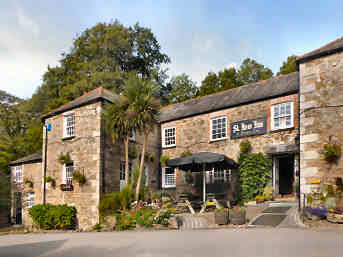
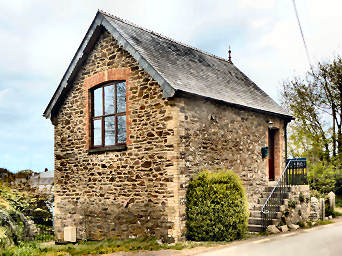
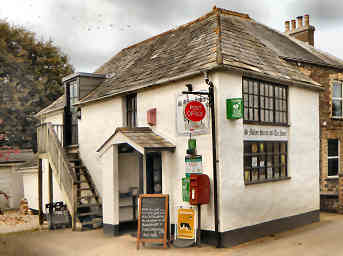
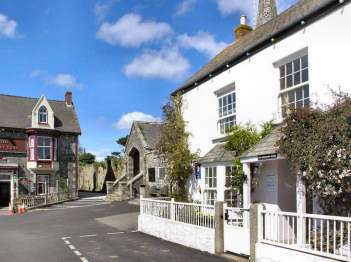
One of the most attractive villages on the Lizard peninsula, St. Keverne is worth lingering in for its history, its church and its pubs. I had passed through the village on several occasions on the way to walks but in November 2005 I parked there for a walk to Porthoustock and Porthallow and had time to explore after. Unlike some Cornish villages, St. Keverne still has the feeling of a real place with a life of its own - to the extent that it can boast a Silver Band and Male Voice Choir and Ox Roast, Carnival and Rodeo festivals. Eleven miles from the supermarkets of Helston, it has happily managed to retain some shops. St. Keverne's main historic claim to fame goes back to 1497. The Cornish had expected that Welsh Henry VII, who claimed the English throne in 1485, would treat his fellow Celts well and at first he did. Then heavy taxes were imposed to support Henry's Scottish wars, a matter the Cornish felt no concern of theirs. A Cornish force, led by Lord Audley, Michael Joseph the St. Keverne blacksmith and Thomas Flamank, a Bodmin lawyer, marched on London to be routed by Henry's army at Blackheath. Joseph and Flamank were cruelly executed. Their memorial is by the lych gate, their statue up the Helston road. Of the two pubs I particularly like the Three Tuns, where I have been made very welcome by landlord and locals.
Round walks from Coverack and from Porthoustock include St. Keverne.
Three Tuns pub, lych gate and Temperance House
By A3083 and B3293 from A394 at Helston
St.