St. Day
Day
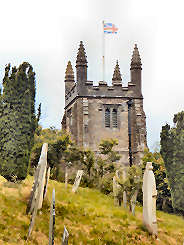
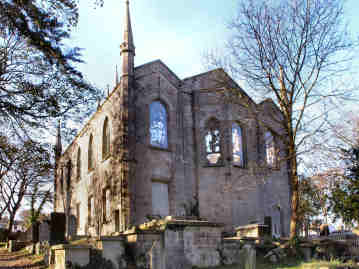
St. Day is in the Mining Villages Regeneration Project, part of the Mining World Heritage Project; others are Carharrack, Stithians, Lanner and Gwennap. There are trail leaflets for each village and its surrounds. Best is for St. Day, by far the most interesting of the villages. The name St. Day was acquired when the Breton saint of that name, later Bishop of Nevers, founded a monastic cell here in the late 7th century. In medieval times it was a stopping point on the pilgrimage to St. Michael's Mount. In the 19th century it, along with the surrounding Gwennap area, was a major producer of copper. The mines are gone but the evidence of them is everywhere around. There are two published trails for St. Day. The Village Trail includes the ruined church, the narrow-mullioned Manor Workshop, the handsome Clock Tower and the attractive Old Post Office. Don't miss the old market square, and its attractive new Mills Terrace, or Mills Street, charity housing founded by local success William John Mills. The Outer Trail includes two shutes (springs), the Parish Pound, a boundary stone, Gwennap Pit and, if the owners of Menheer Farm are in, a Roman milestone. I like St. Day which is on the Land's End Trail. My one disappointment about the village is that, when passing through at lunchtime, the pleasant St. Day Inn only seems to be open at weekends.
St. Day's abandoned Old Church
Signed just off A30 at Scorrier
St.